
Winnetka · Lake Forest · Glencoe · Barrington
Copper Roofing & Copper Details
The only roofing material that improves with age. Hand-fabricated in-house. Built to outlast the home it’s on.
Schedule an Estimate
About This Service
The Only Material That Gets Better With Age.
01
100+ year lifespan
Copper from the 1920s is still on homes in Winnetka and Lake Forest today.
02
Gets stronger over time
The patina is a protective oxide layer — copper becomes more durable, not less.
03
Unique to every installation
No two copper roofs age identically. It becomes part of the building’s identity.
04
Very few contractors can do this
Hand-soldering and precise fabrication. We’re one of the few on the North Shore who still do it in-house.
Where Copper Goes on Your Home.
We’ll tell you which profile performs best for your roof geometry, budget, and weather exposure.
01
Bay Window Roofs
02
Dormers & Turrets
Complex geometry. Hand-soldered seams conform to any angle — no caulk shortcuts.
03
Chimney Crickets & Caps
The most common failure point on luxury roofs. Custom-fabricated to your chimney’s exact dimensions.
04
Half-Round Copper Gutters
Soldered joints — no snap-together sections. Architecturally correct for period North Shore homes.
05
Covered Entries & Porches
High visibility from the street. Where copper’s quality is immediately apparent.
06
Custom Flashings
Wall-to-roof junctions, skylight curbs, valley liners — fabricated to your exact geometry.
The Workshop
Every Piece Made Here.
We don’t order pre-formed components. Every flashing, panel, and gutter section is cut and formed in-house.
Most contractors outsource copper work — and lose quality control at the most critical step.
1
All panels cut on-site
2
Hand-soldered joints
3
Flashings to exact geometry
Chimney, dormer, skylight, wall junctions — all measured and cut for your building.
4
Owner on every project
Mike Bartkovjaks oversees all copper work personally.
How long does copper roofing last in Illinois?
Properly installed copper roofing lasts 100+ years. Examples from the 1910s and 1920s are still weathertight on North Shore homes in Winnetka, Lake Forest, and Glencoe today.
What copper applications do you handle
Bay window roofs, dormers, turrets, covered entries, chimney crickets and caps, half-round copper gutters, and custom architectural flashings. All fabricated and hand-soldered in-house.
Is copper more expensive than other metals?
Copper has a higher upfront cost. Divided over a 100-year lifespan with zero replacement cost, the per-year expense is often lower than steel or aluminum alternatives.
Does copper require maintenance?
Minimal. The patina is itself a protective coating — no painting or sealing required. Periodic inspection every 5–10 years is recommended.
Areas We Serve
Serving the NW Chicago Suburbs & Beyond
What Clients Say
Real homeowners. Real completed projects. No paid ratings.
Copper That Outlasts Everything.
Bay window, dormer, turret, or full roof section — measured, fabricated, and installed by the same owner.
Contact Us
Phone
Hours
Mon–Fri 8am–5pm
More Roofing Guides
Straight answers on lifespans, costs, and warning signs.

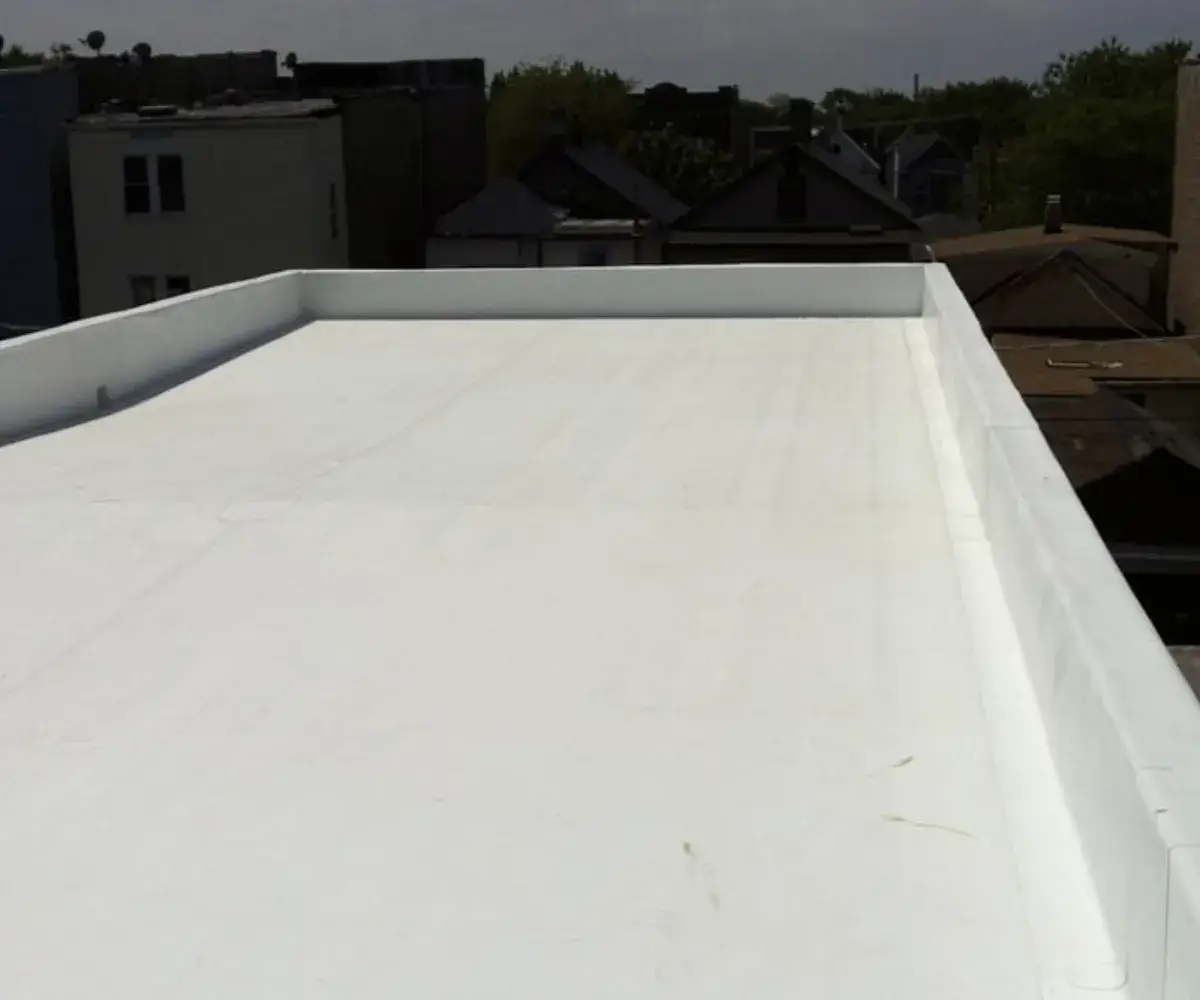
Cool Roofs & Reflective Flat Roofing
A dark low-slope roof in full July sun runs far hotter than the air around it, and your air conditioning pays for the difference every hour. A reflective roof sends most of that energy back. The EPA puts the reduction in peak cooling demand at 11 to 27% — and in the City of Chicago, reflective covering isn’t optional on
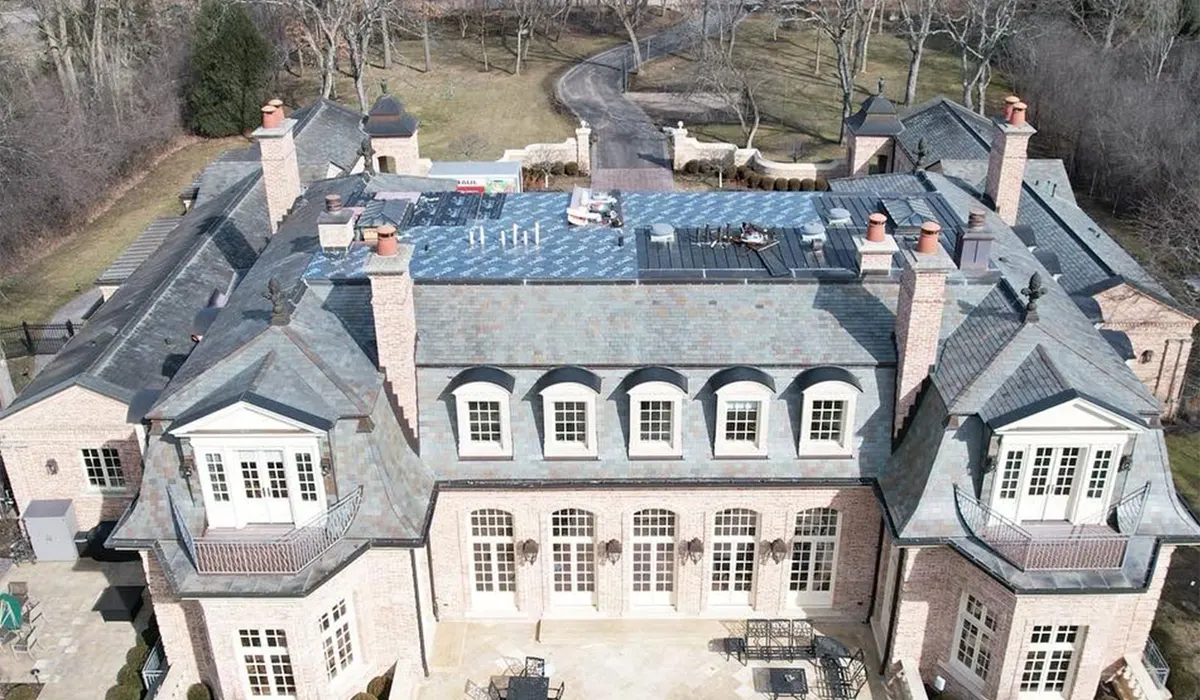
Solar Shingles: Worth It on a Chicago Roof?
The economics of residential solar changed on January 1, 2026, and a lot of the advice still circulating hasn’t caught up. The 30% federal tax credit for homeowner-owned systems is gone. That doesn’t make solar shingles a bad idea in Chicago — but it changes the math enough that you should redo it. Here’s the honest version, from a roofer
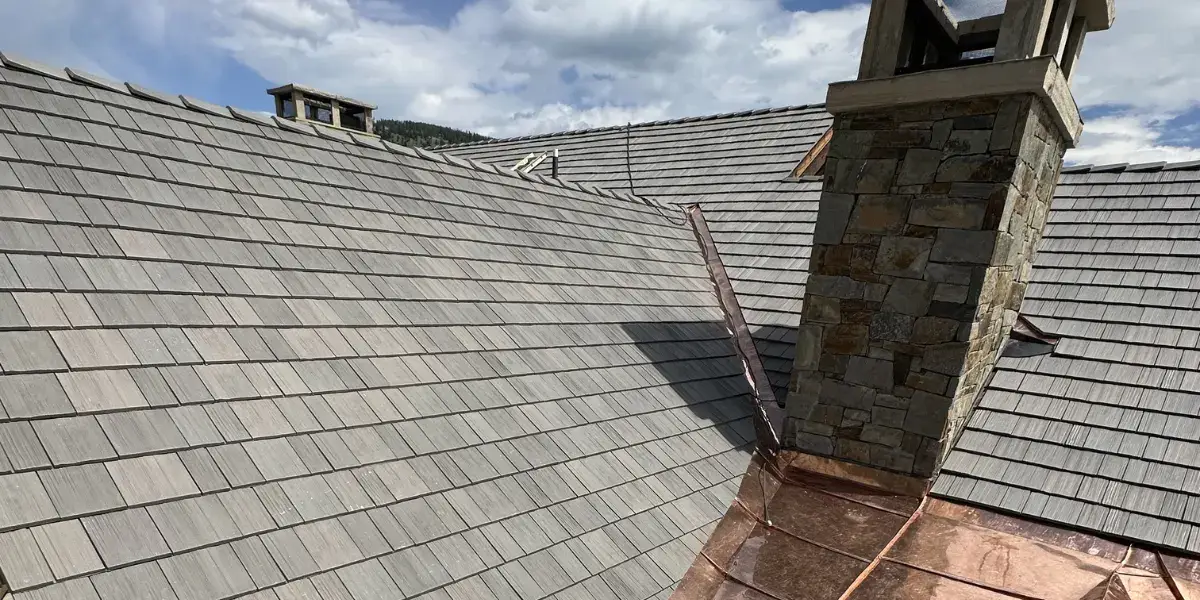
Are Class 4 Impact-Resistant Shingles Worth It in Illinois?
State Farm paid $558 million in Illinois hail claims in 2025 — third-most of any state — and Illinois has logged more than 500 hail reports so far in 2026, fourth-most in the country. That turns impact-resistant shingles from a national trend piece into a local math problem: does the upgrade pay for itself here? Usually yes, but not for