
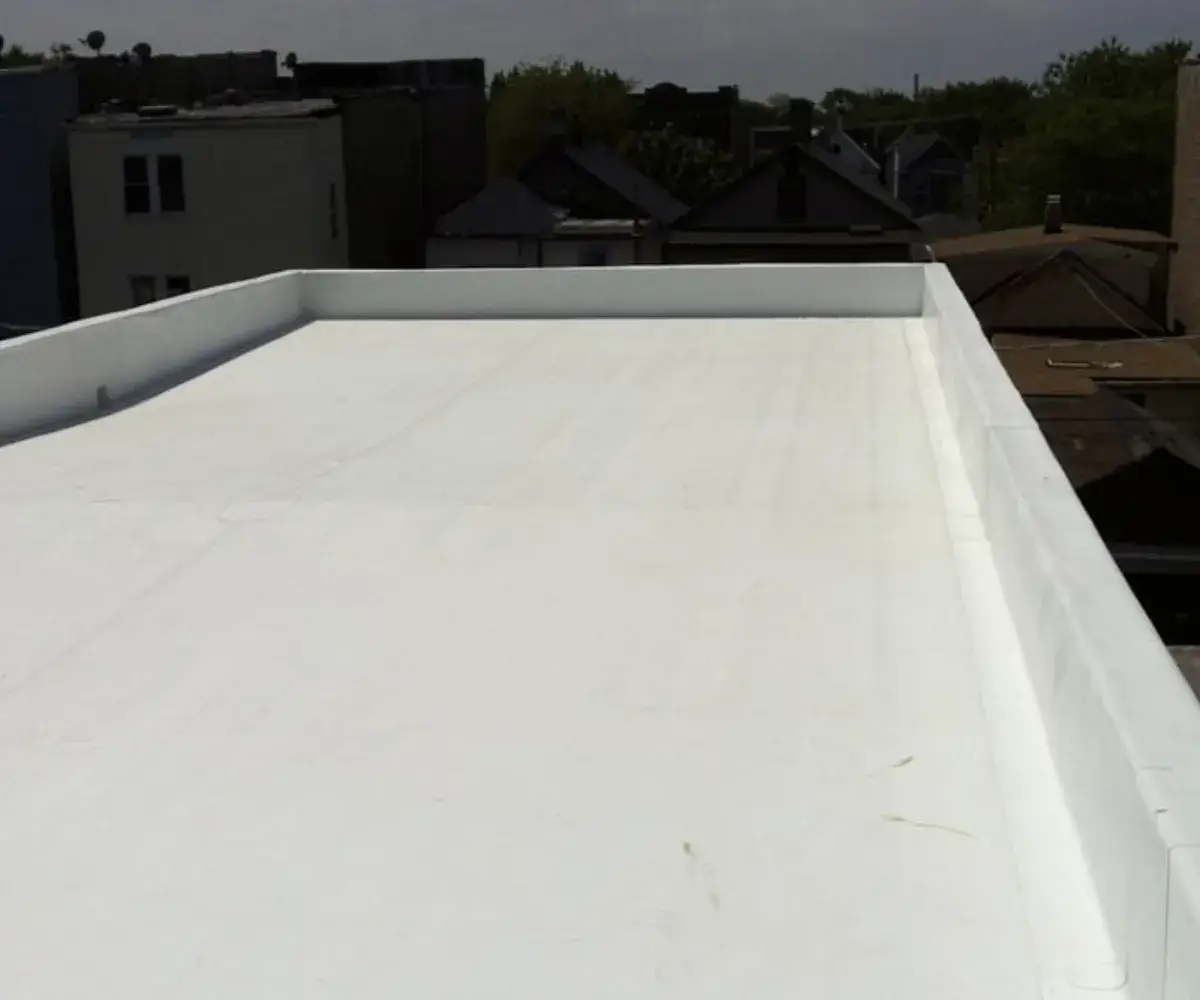
Residential · NW Chicago Suburbs
Roof Inspection in Arlington Heights, IL
Know the real condition of your roof before it becomes an emergency. We check every component — and give you an honest written report.
Schedule an Estimate
About This Service
See Everything.
Know Everything.
Decide.
01
We go into the attic on every inspection.
The attic is where moisture damage shows up first — and where a leak source can often be traced before it reaches your ceiling. Most contractors skip this step.
02
You get a written report with photos.
Every noted area documented. Clear finding: good condition / needs attention / urgent. No verbal-only assessments that leave you guessing.
03
Owner Mike Bartkovjaks performs or oversees every inspection.
18+ years of Illinois roof failures behind every call. Not a sales rep with a checklist — an experienced roofer who knows what to look for.
What We Inspect — Every Single Time
7 Components · Written Report · Photos
01
Shingles
Granule loss, curling, cracking, blistering, or missing tabs. We note age and estimated remaining service life.
- Catches accelerated wear before failure
02
All Flashing Points
Chimney, dormers, skylights, pipe boots, valleys, and all wall-to-roof junctions. Flashing failures cause most residential leaks.
- Catches the #1 cause of roof leaks
03
Ridge, Hips & Valleys
Ridge cap condition, hip shingles, and valley sealing. High-exposure areas that deteriorate first and are common water entry points.
- Catches early valley failures
04
Gutters & Drainage
Condition, fasteners, slope, downspout discharge, and granule accumulation — which signals shingle breakdown above.
- Catches shingle breakdown signal
05
Attic Interior
Moisture staining on sheathing, insulation condition, signs of active or historical water intrusion. We trace moisture paths back toward the entry point. This is the step most contractors skip — and the one that changes every diagnosis.
- Catches hidden leaks before ceiling damage
06
Ventilation
Soffit vent blockage, ridge vent condition, intake vs. exhaust balance. Poor ventilation halves shingle life and causes Illinois ice dams.
- Catches premature shingle failure cause
07
Deck Integrity
- Catches deck rot before full replacement
Six Reasons to Schedule an Inspection Now
You don’t need to see a problem to benefit from an inspection. These are the moments where a professional look at your roof pays for itself.
1
After a hail or wind storm
Damage isn’t always visible from the ground. Documentation now protects your insurance filing window.
2
Every spring after winter
Freeze-thaw cycles, ice dams, and heavy snow loads take a toll. Catch winter damage before rainy season turns it into a leak.
3
When your roof is 12–15 years old
4
You noticed a water stain
A stain means water has been entering long enough to reach your drywall. The sooner we look, the smaller the repair.
5
Before buying or selling a home
6
For insurance renewal
What We Tell You. What Comes Next.
After the inspection you get a clear verbal summary and written report. Every finding falls into one of three categories — and we’re direct about which is which.
01
Inspection & Estimate
Deck, attic, ventilation, and all flashing points assessed. Written estimate with material options and pricing — before anything is scheduled.
02
A repair is needed
We identify the specific issue, explain what caused it, and provide a written estimate. No pressure, no expiration dates on quotes.
03
Replacement makes more sense
Deck, attic, ventilation, and all flashing points assessed. Written estimate with material options and pricing — before anything is scheduled.
Ready to schedule?
Call directly or fill out the form at the top of this page. After storm events we prioritize same-day or next-day response.
What Clients Say
Real homeowners. Real completed projects. No paid ratings.
What does a roof inspection include?
A thorough inspection checks shingles or tiles, flashing, valleys, gutters, vents, and the roof deck for damage, wear, and leak risk. Many inspectors also review attic ventilation and interior signs of water intrusion, then provide a written report with photos.
When should I get a roof inspection in Illinois?
Schedule after any significant hail or wind event, in spring after winter, when you notice water stains or ceiling discoloration, and when your roof approaches 12–15 years of age. Annual inspections after 15 years are a good investment in catching issues before they become expensive emergency repairs.
How long does a roof inspection take?
A standard residential roof inspection usually takes 45 minutes to 2 hours. The exact time depends on your roof’s size, steepness, and complexity, plus whether the inspector walks the roof or uses drone imaging. Larger homes and steep or multi-level roofs sit at the longer end of that range.
Do I need a roof inspection before buying a home in Illinois?
A standard home inspection includes a basic roof observation but is not a substitute for a dedicated roof inspection by a roofing contractor. We regularly perform pre-purchase inspections for buyers who want a detailed professional assessment before closing — it’s one of the best due diligence steps you can take on an Illinois home purchase.
How often should I get my roof inspected?
Have your roof professionally inspected at least once a year, and again after any major storm, hail, or high winds. In the Chicago area, a fall inspection is especially valuable so any issues are fixed before winter’s freeze-thaw cycles set in.
Don't Wait for a Leak to Tell You There's a
Problem.
An inspection takes 45–90 minutes and gives you clarity on your roof’s actual condition.
Contact Us
Phone
Hours
Mon–Fri 8am–5pm
More Roofing Guides
Straight answers on lifespans, costs, and warning signs.

Cool Roofs & Reflective Flat Roofing
A dark low-slope roof in full July sun runs far hotter than the air around it, and your air conditioning pays for the difference every hour. A reflective roof sends most of that energy back. The EPA puts the reduction in peak cooling demand at 11 to 27% — and in the City of Chicago, reflective covering isn’t optional on

Solar Shingles: Worth It on a Chicago Roof?
The economics of residential solar changed on January 1, 2026, and a lot of the advice still circulating hasn’t caught up. The 30% federal tax credit for homeowner-owned systems is gone. That doesn’t make solar shingles a bad idea in Chicago — but it changes the math enough that you should redo it. Here’s the honest version, from a roofer
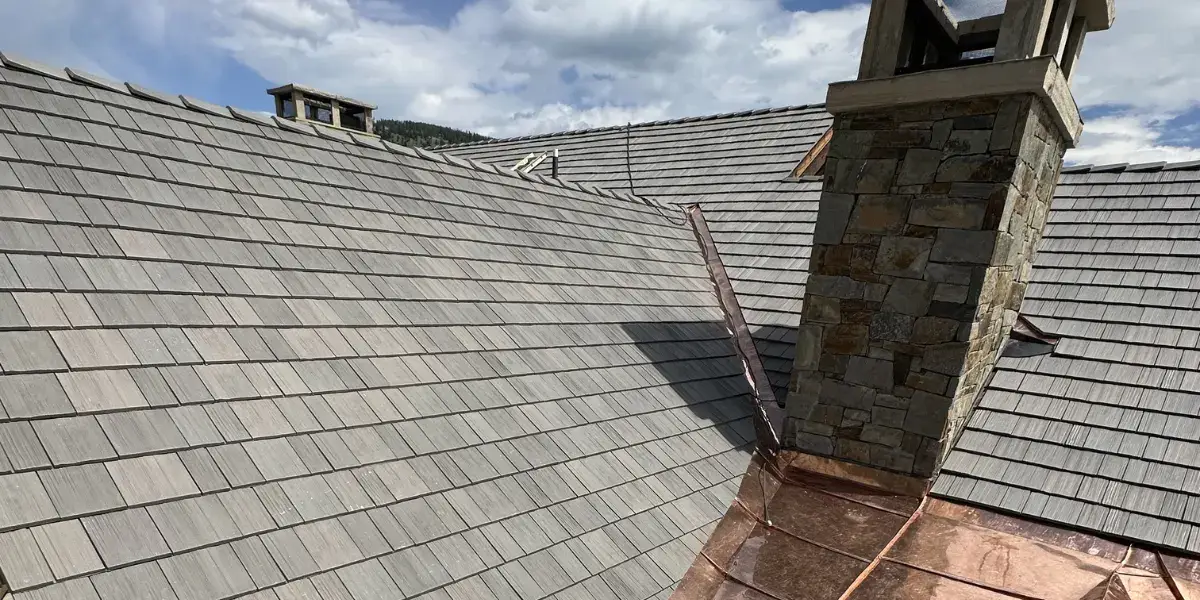
Are Class 4 Impact-Resistant Shingles Worth It in Illinois?
State Farm paid $558 million in Illinois hail claims in 2025 — third-most of any state — and Illinois has logged more than 500 hail reports so far in 2026, fourth-most in the country. That turns impact-resistant shingles from a national trend piece into a local math problem: does the upgrade pay for itself here? Usually yes, but not for