
If your roof is over 15 years old, your homeowners policy may not cover it the way it did five years ago — even though nothing about your policy number changed. Illinois carriers have been quietly moving older roofs from replacement cost to actual cash value, and some now require replacement to keep coverage at all.
Here’s what changed, what it does to a payout, and how to find out where you actually stand.
Quick answer
Many Illinois insurers now treat roofs older than 10–15 years differently: instead of paying what a new roof costs (replacement cost value), they pay the depreciated value of your old one (actual cash value). Some carriers go further and require replacement of roofs past about 15 years as a condition of keeping coverage. The practical effect is a much larger out-of-pocket gap on any claim. Check your declarations page for “ACV,” “actual cash value,” or a roof payment schedule.
What the "15-year roof rule" actually is
It isn’t a law, and it isn’t one rule. It’s a cluster of underwriting changes that landed across the industry at roughly the same time, so homeowners hear it as a single new policy.
In practice it shows up two ways:
- Coverage gets downgraded. Roofs past a certain age — commonly cited as 10 to 15 years — shift from replacement cost value to actual cash value.
- Coverage gets conditioned. Some carriers require a roof older than about 15 years to be replaced in order to write or renew the policy at all.
Nobody sends a letter titled “your roof is now worth less.” It arrives as a line on a renewal, a schedule in the fine print, or a question from an inspector. Most homeowners find out at the worst possible moment — after a storm, in the middle of a claim.
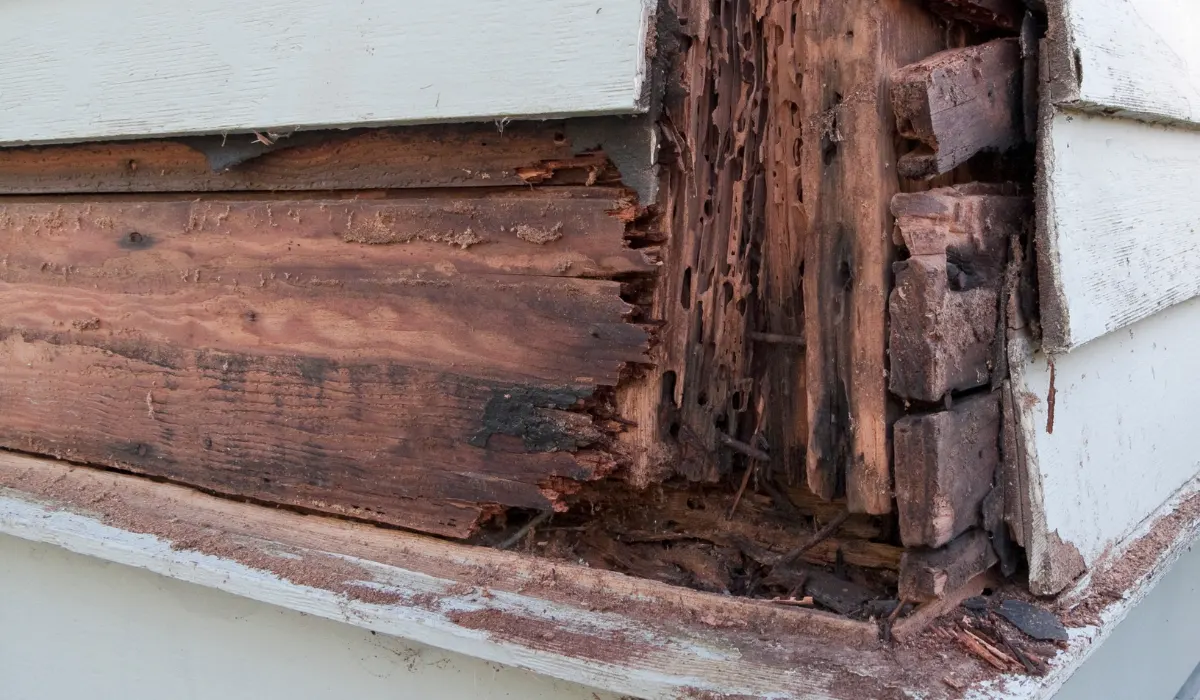
The roof didn't change. The way it's covered did — and most people find out after the damage, not before.
Replacement cost vs. actual cash value — where the money goes
This is the whole substance of the change, and it’s worth being precise about.
Replacement cost value (RCV)
Actual cash value (ACV)
What it pays
What a new roof costs today
What your old roof was worth, minus depreciation
Depreciation
Recoverable once work is done
Deducted and not paid back
Your gap
Usually your deductible
Deductible plus all the depreciation
General description of how the two settlement types work. Your policy’s exact terms govern — read your declarations page.
The published example that circulates makes the math concrete: a 15-year-old roof on a 30-year expected life may be treated as roughly 50% depreciated. On a $15,000 replacement, that’s a payout near $6,000 — leaving about $9,000 plus the deductible on the homeowner.
Same storm. Same roof. Same policy limit. A different settlement basis, and the number changes by more than half.

Why carriers made the change
Not a mystery, and not aimed at you personally. Hail is the driver.
Illinois logged 411 hail reports in 2026 — more than any state except Texas and Missouri. Baseball-sized hail crossed DuPage County in March. A July storm carried 2.25-inch hail and 95 mph winds across the suburbs. Roof claims in this state have become frequent and expensive, and underwriting followed.
Which means this isn’t a temporary tightening that relaxes next year. Plan around it.
Three more changes in the same wave
The age rule gets the attention, but these travel with it:
- Cosmetic damage exclusions. Hail marks that don’t impair how the roof functions — dents in metal, granule displacement without a leak — are increasingly excluded outright.
- Percentage-based wind and hail deductibles. Flat deductibles are being replaced with 1–2% of the insured value. On a $300,000 policy, that’s a $3,000 first loss before the carrier contributes anything.
- Inspection at renewal. More carriers are inspecting roofs — sometimes by aerial imagery — and acting on what they see without a claim being filed.
Stack them and the picture is clear: more of a roof’s cost is landing on the homeowner than five years ago.

How to find out where you stand
Fifteen minutes with two documents will tell you more than any article can.
- Find your declarations page and look for “actual cash value,” “ACV,” or a roof payment or depreciation schedule. Any of those means depreciation applies to your roof.
- Check your wind/hail deductible specifically. It’s often separate from, and larger than, your main deductible — and may be a percentage rather than a dollar figure.
- Look for cosmetic damage language in the exclusions.
- Know your roof’s age. If you don’t, a permit record or the seller’s disclosure from your purchase usually has it.
- Ask your agent one direct question: “At what roof age does my coverage change, and what is my roof classified as right now?” Get the answer in writing.
What you can actually do about it
Three real options, and one that isn’t.
- Document the roof’s condition now. A dated inspection report establishes what shape the roof was in before anything happened to it. That’s the most useful thing you can have and the cheapest to get.
- Shop the policy. Carriers don’t apply these rules identically. A roof that’s ACV-only with one company may still be RCV with another.
- Replace on your schedule, not the weather’s. If the roof is genuinely near the end of its life, replacing it deliberately — quoted, planned, in good weather — beats discovering the gap mid-claim. A new roof also resets you to RCV coverage and may earn an impact-resistant discount.
What doesn’t work: assuming the roof is fine because the policy renewed. Renewal isn’t confirmation that the roof is covered the way you think it is.
And to be plain about our role — we inspect roofs and document what we find. We’ll give you the paperwork; the claim itself is between you and your insurer. Anyone promising to get a claim approved is telling you something they can’t control.
Not sure how much life your roof has left?
We’ll inspect it and document the condition in writing — no upsells, no scare tactics.

The bottom line
If your roof is past 15 years, find out today whether your policy pays replacement cost or actual cash value. That one answer is worth thousands of dollars at the moment you need it, and it takes one phone call to your agent.
Then get the roof looked at honestly. If it has a decade left, keep it and re-check annually — we’ll tell you that. If it’s near the end, you’re better off replacing it on a Tuesday in September than in the week after a hailstorm, with a claim gap you didn’t know you had. We’ve been assessing roofs across Arlington Heights and the northwest suburbs since 2007. Not a storm chaser. Not a franchise. Owner on every project.
Related: our guide to how often roofs actually need replacing in Illinois and the signs a roof is due.
Frequently asked questions
What is the 15-year roof rule in Illinois?
It’s not a law but a set of underwriting changes many Illinois carriers adopted around the same time. Roofs older than roughly 10 to 15 years are increasingly covered at actual cash value rather than replacement cost, and some carriers require replacement of roofs past about 15 years to write or renew a policy. Terms vary by carrier, so your declarations page and your agent are the authorities on your own coverage.
Will insurance still pay for my old roof?
Usually yes, but potentially far less than replacement costs. Under actual cash value, the carrier deducts depreciation and doesn’t pay it back — a 15-year-old roof on a 30-year schedule may be treated as about half depreciated. You’d cover the depreciation plus your deductible. Under replacement cost value, the depreciation is recoverable once the work is complete.
How do I know if I have ACV or RCV coverage on my roof?
Should I replace my roof before my insurance requires it?
It depends entirely on the roof’s actual condition, not its age. If an inspection shows years of life left, replacing early wastes money and a good roofer will tell you so. If the roof is genuinely near the end, replacing deliberately is better than discovering a coverage gap during a claim — and a new roof typically restores replacement cost coverage. Get it assessed before deciding.
Does a new roof lower my insurance premium?
Often, yes — a newer roof usually restores replacement cost coverage and can reduce premiums. Impact-resistant shingles rated UL 2218 Class 4 may earn an additional discount, and most major carriers writing in Illinois offer one. The size varies by carrier, so ask your agent what they’d credit before choosing materials.
Coverage descriptions reflect 2026 reporting from independent insurance and roofing sources including United Policyholders, Long Meadow Insurance, and Illinois roofing contractors, plus 2026 hail data for Illinois. Insurance terms vary by carrier and by policy — this is general information, not insurance or legal advice, and your own declarations page and agent govern your coverage.